Colorado Ski Trips and Hot Springs: Where to Soak and What the Drive Takes
A warm soak can be a lovely part of a ski vacation, especially when your legs want a break and the group wants something to do together off the mountain. The question I ask first is how much of your day you want to spend getting there. If you’ve already booked Summit County, plan a deliberate outing. If hot springs are one of your three non-negotiables, tell me before we choose the ski destination.
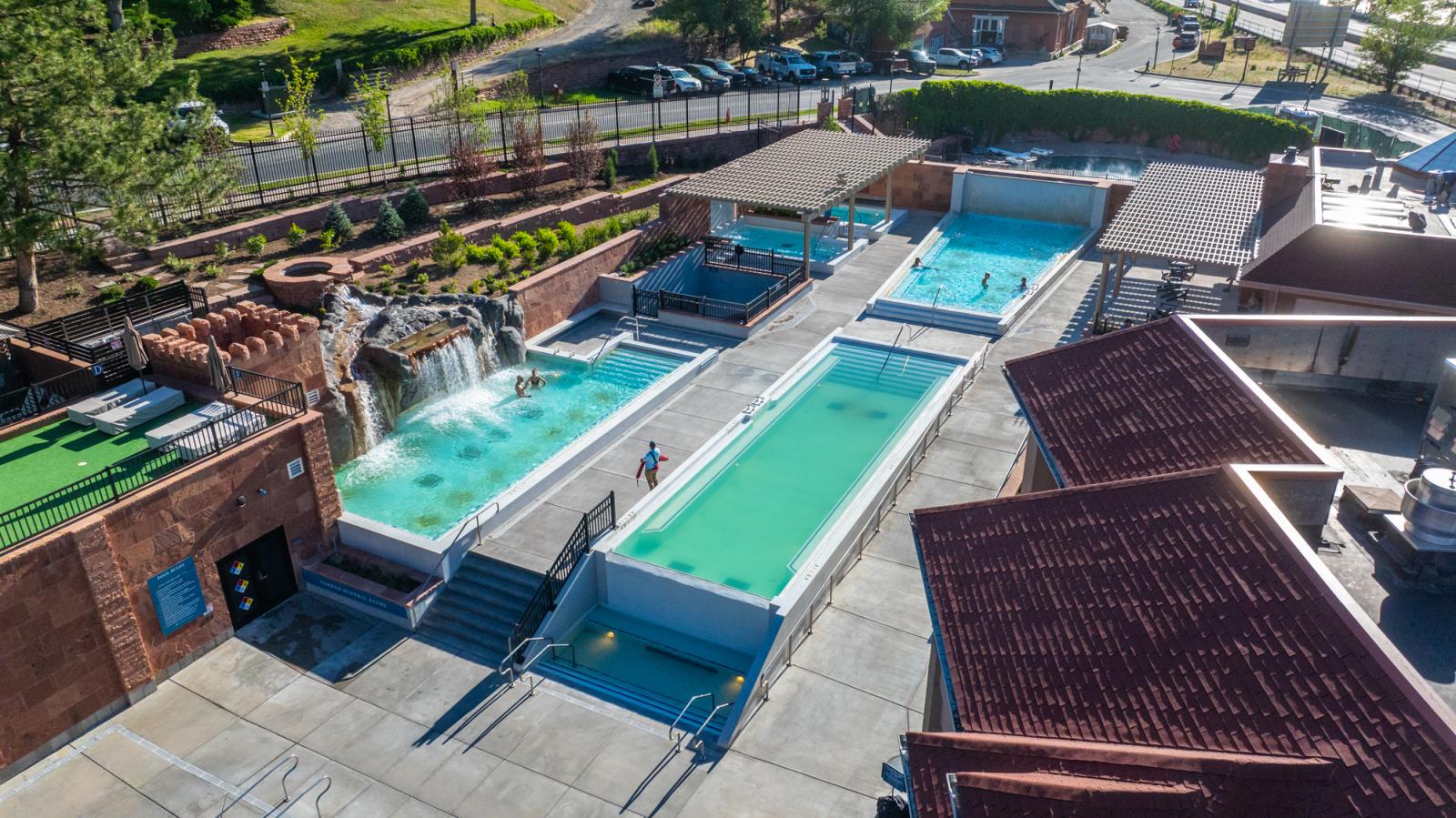
Compare the drive before booking the soak
These are broad planning estimates for one-way driving in reasonably clear conditions, starting near the named ski base. They exclude parking, changing, check-in, and time in the pools. Your address, traffic, snow, and closures can add substantially. Check your actual route and COtrip road conditions before committing to a timed admission.
| Ski base | Hot springs | One way | Time to budget |
|---|---|---|---|
| Breckenridge / Keystone / Copper | Mount Princeton, near Nathrop | About 1½–2 hours; allow more from Keystone | 3–4 hours driving, plus the visit |
| Summit County | Glenwood Hot Springs or Iron Mountain | About 2–2½ hours | 4–5 hours driving, plus the visit |
| Vail / Beaver Creek | Glenwood Springs | About 1–1½ hours | 2–3 hours driving, plus the visit |
| Snowmass / Aspen | Glenwood Springs | About 1–1½ hours | 2–3 hours driving, plus the visit |
| Steamboat ski base | Strawberry Park | About 30–45 minutes in winter | Reserve a shuttle or confirm road compliance |
| Steamboat ski base | Old Town Hot Springs | About 10–20 minutes | An in-town option with bus access |
| Telluride / Mountain Village | Ouray Hot Springs | About 1¼–1¾ hours | 2½–3½ hours driving, plus the visit |
| Breckenridge / Keystone / Copper | Cottonwood Hot Springs, west of Buena Vista | About 1½–2 hours; allow more from Keystone | 3–4 hours driving, plus the visit |
Summit County: Mount Princeton or Glenwood deserves a day
For guests staying in Breckenridge, Keystone, or Copper Mountain, neither choice is a quick stop after the lifts close. I’d plan a rest day with lunch and soaking, or consider a night near the springs if the itinerary allows. Four hours in a car can take much of the restorative feeling out of a short soak.
Mount Princeton Hot Springs is my first comparison for a Summit County group that wants a mountain setting and a full hot springs outing. The route south can involve Hoosier Pass from Breckenridge or the Leadville corridor from Copper. Both need winter road planning. Check the open pools, day-use access, and any separate spa eligibility. At the time of writing, standard day passes are sold on arrival; use the operator’s current instructions when you plan.
Glenwood gives you two different experiences. Glenwood Hot Springs Resort has a large pool complex I’d compare for groups who want swimming as well as soaking. Iron Mountain Hot Springs is worth comparing for a visit centered on smaller soaking pools; check the specific admission area, age rules, and reservation slot. From Summit County, the I-70 journey includes Vail Pass and Glenwood Canyon. A closure can turn this into a very different day.
Cottonwood: a quieter soak near Buena Vista
Cottonwood Hot Springs, just west of Buena Vista, is another option I’d compare for a Summit County rest day. Its natural-stone soaking pools and quiet atmosphere suit guests who want to settle into a slower afternoon. I’d allow roughly 1½–2 hours each way from Breckenridge or Copper, and more from Keystone, in reasonable conditions. Plan on three to four hours of driving before adding the soak, a meal, or winter delays.
Check the route from your lodging rather than assuming you need to drive over Cottonwood Pass. The springs are on the Buena Vista side; a winter trip from Summit County does not require crossing that pass. Ask the operator about current day-use access and bring a towel. Its published rules require swimsuits, emphasize quiet enjoyment, and require children to leave the springs area after sundown. For a family, I’d plan a daytime visit. If you want several soaks, consider an overnight around Buena Vista instead of repeating the drive from the ski resort.
Steamboat: the strongest fit for frequent soaking
If I’m choosing a ski base around convenient hot springs, Steamboat goes high on the list. Old Town Hot Springs is downtown and reachable by local transit. That makes a shorter visit easier to work around skiing. Strawberry Park offers the more secluded wooded setting, with stone pools outside town.
For Strawberry Park, book ahead and use an approved shuttle if you aren’t certain your vehicle meets the winter requirements. The operator requires 4WD with appropriate winter tires or chains from November 1 through May 1; an AWD rental alone is no assurance of compliance. Its current rules prohibit Uber/Lyft arrivals, require cash, and exclude children after dark. Check the current clothing policy too. I’d reserve a daytime visit for a family and leave the road to a permitted shuttle provider.
Aspen Snowmass and Vail: Glenwood is an outing worth planning
From Snowmass or Aspen, Glenwood Springs is a realistic rest-day destination, with roughly two to three hours of round-trip driving before pool time. From Vail and Beaver Creek, I’d make the same calculation. You may be happy to trade part of a ski day for the outing, but allow for the return after dark. Confirm a return transfer if you don’t have a car; the resort’s local ski shuttle should not be assumed to cover Glenwood.
Telluride: pair Ouray with a rest day or an overnight
Ouray Hot Springs Pool gives Telluride guests a developed public pool destination in a dramatic mountain setting. Ouray’s tourism office lists Telluride at about 47 miles and an hour from town; starting in Mountain Village, plus winter conditions, is why I budget more generously above. Use the paved route via Placerville and Ridgway. Mountain shortcuts such as Imogene Pass are not winter driving routes. I’d leave room for a meal in Ouray or discuss an overnight, especially if nobody wants a long drive after soaking.
What a soak can do for how you feel
Warm water may ease muscle tension and the feeling of soreness, and buoyancy can reduce the load on joints while you’re in the pool. The slower pace can help you unwind. A warm soak followed by time to cool down may also support sleep. Those are worthwhile reasons to build a restorative break into a ski week. Cleveland Clinic explains the benefits and limits of warm-water soaking.
I’d choose a hot springs visit for comfort, relaxation, and a shared day off. A mineral pool doesn’t guarantee faster recovery from skiing, treat an injury, or prevent altitude illness. If soaking is a priority, the most useful planning decision may be choosing a base where it is easy to get to the water and back.
Drink water, take short breaks, and get out if you feel dizzy or overheated. Shower first and keep alcohol out of the soak. The CDC recommends water no hotter than 104°F and advises that children under five avoid hot tubs. Families should check cooler pool options and facility rules. If you’re pregnant or have a condition affected by heat, heart strain, or blood pressure changes, ask your clinician before planning hot-water immersion.
Tell me how much hot springs access matters
Already booked? Send me your lodging location, dates, who’s coming, and whether you have a car. Still shopping? Tell me whether hot springs are a one-time excursion or something you want to do several times. I’ll compare the ski destination, travel time, lodging, and transport around that expectation. Start with the resort guides, then send me your ski trip priorities. Pack a swimsuit, easy-on footwear with grip, dry layers, and a bag for wet things.